
Fasting and Anti-Corruption to Build Clean National Integrity
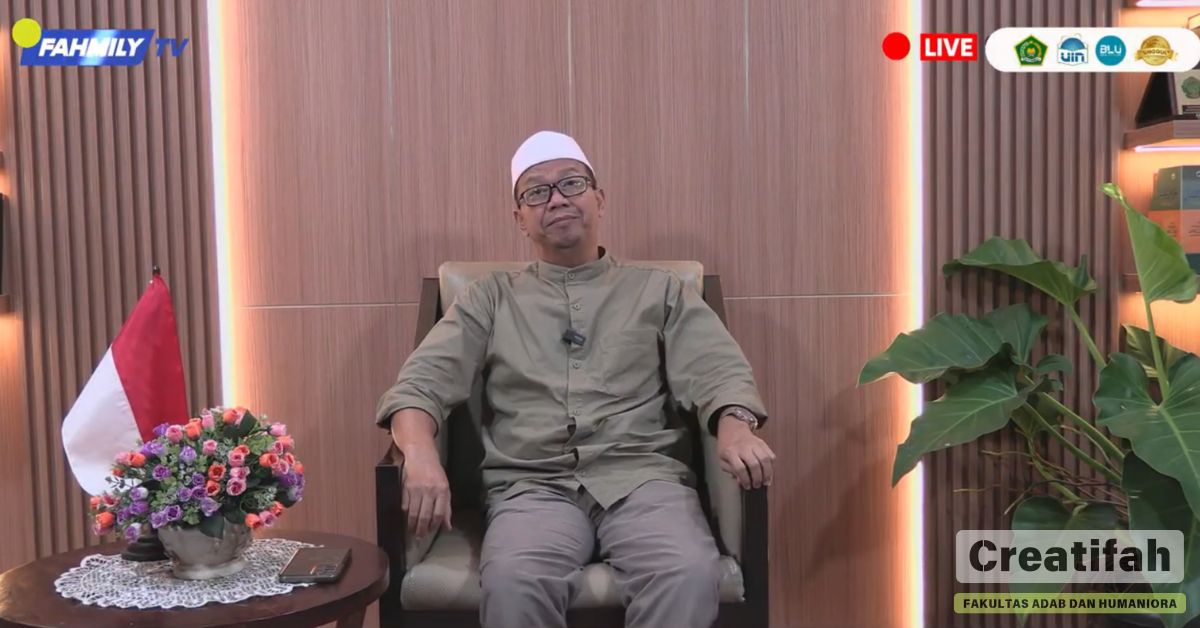
South Tangerang, FAH Online News – Ramadhan 1447 H is a momentum for spiritual and social reflection for Muslims, especially in responding to the problem of corruption which is still a serious challenge in Indonesia. In the midst of the low Corruption Perception Index (GPA), fasting values are considered to have an important role in building personal integrity and public morals. This was conveyed in the Mutiara Ramadhan program organized by the Faculty of Adab and Humanities, UIN Syarif Hidayatullah Jakarta, Friday (27/02/2026). In this activity, Prof. Dr. Sukron Kamil, M.Ag. emphasizes that fasting aims to form a person who is devout, honest and has integrity as stated in the expression of the fasting verse itself la'allakum tattaquun.
In his presentation, he explained three main reasons why fasting is relevant in preventing corrupt behavior. First, fasting is a form of ihsan contract between humans and Allah which fosters awareness that every action is under Divine supervision. This awareness is believed to be able to prevent someone from taking something that is not their right, including state property.
Second, fasting trains honesty and self-control because it is personal and cannot be exhibited. According to him, if officials are able to protect themselves from illicit assets as they refrain from halal things when fasting, then corrupt practices can be prevented.
Third, fasting fosters social solidarity through the obligation of zakat fitrah. This value of concern is considered to be contrary to corrupt practices that harm the interests of the wider community.
“If it is said that corruption is contrary to integrity, then it is clear that corruption is also contrary to the values of fasting which aims to enable a person to have integrity.” he said.
In conclusion, he reminded that zakat and alms only function to purify halal assets, not legitimize the proceeds of corruption. Therefore, Ramadan is expected to be a means of mental and spiritual training towards a clean and dignified Indonesia.
Author: Asri Komala Khairani/ Kasih Nur/ Deny Saputra